
MiniMax Music 3.0 vs SOUNDRAW
MiniMax Music 3.0 interprets a natural-language song brief and optional lyrics, whereas SOUNDRAW's documented core generator is tag- and parameter-driven and continues into bar-level arrangement, mixer controls, stems, and creator-focused background music. Choose MiniMax for detailed prompt-led songs and structured lyrics; choose SOUNDRAW when you need instrumental background music that can be fitted to content with mood, genre, theme, length, tempo, instruments, intensity, and stem controls.
The short version
MiniMax is the direct route for detailed prompt-led songs. SOUNDRAW is the stronger route when its specialist workflow is the deciding requirement.
Use the decision checklistQuick answer
MiniMax Music 3.0 — choose it for
- You want one prompt to carry genre, mood, tempo, instrumentation, vocal tone, arrangement changes, and production character into a complete song.
- You already have lyrics, or want to work with verse, chorus, bridge, solo, and outro labels while keeping musical direction separate from sung words.
- You value MiniMax Music 3.0's documented focus on long-range song structure, natural vocal delivery, clear instrument roles, and detailed creative intent. MiniMax remains the clearer option when natural-language nuance, structured lyrics, and vocal performance are more important than timeline-style background-music editing.
SOUNDRAW — choose it for
- You need background music for video and prefer choosing genre, mood, theme, duration, tempo, and instruments through explicit controls.
- You want to adjust intensity or instrument participation at bar level without using a separate DAW for every change.
- You require WAV or stem delivery and are prepared to verify the current SOUNDRAW plan and license for the project.
On this page
The comparison in context
The useful way to read a MiniMax Music 3.0 vs SOUNDRAW comparison is to begin with the creative job, not with a universal winner. Both products use AI to shorten the distance between an idea and listenable audio, but they organize that journey differently. MiniMax Music 3.0 centers the prompt, optional structured lyrics, vocal direction, arrangement language, and a complete-song result. SOUNDRAW is positioned around a tag-driven background-music generator with bar-level customization, genre blending, duration controls, wav, and stems. Those starting points affect what you prepare before generation, what you can change afterward, and how naturally the tool fits the rest of a production process.
MiniMax Music 3.0 interprets a natural-language song brief and optional lyrics, whereas SOUNDRAW's documented core generator is tag- and parameter-driven and continues into bar-level arrangement, mixer controls, stems, and creator-focused background music. That distinction matters more than a generic claim about which system sounds “better.” A songwriter testing a chorus, a video editor fitting a music bed, and a developer embedding music into an application do not share the same success criteria. This page therefore compares documented inputs, song and vocal workflow, editing, output, and integration. It also identifies the boundaries of the evidence so that a feature announcement is not mistaken for a controlled listening result.
MiniMaxMusic3.net is an independent product built around the MiniMax Music 3.0 workflow and is not the official MiniMax website. The MiniMax facts below come from MiniMax's official Music 3.0 release material and the visible capabilities of this site's generator. Information about SOUNDRAW comes from the official sources linked near the end of the page. Every recommendation is an editorial workflow inference from those sources, verified on 2026-09-01.
Before comparing results, write a clearer generation brief that reflects the workflow you actually need.
MiniMax Music 3.0 vs SOUNDRAW at a glance
Each row separates published capability from editorial interpretation. A different strength is not a defect, and an undocumented capability is not inferred.
To put the capabilities in context, review what changed in Music 3.0 before treating a feature label as a workflow outcome.
MiniMax Music 3.0
A detailed text description plus optional structured lyrics. Prompts can describe style, mood, tempo, instruments, vocal delivery, arrangement development, and production character.
SOUNDRAW
SOUNDRAW's core workflow uses selections such as genre, mood, theme, length, tempo, and instruments rather than relying only on a free-form prompt.
What it means
Choose the input model that matches the information you already have. MiniMax is especially natural for a written song brief; SOUNDRAW may reduce friction when its documented input method is already part of your workflow.
MiniMax Music 3.0
MiniMax officially positions Music 3.0 for complete vocal or instrumental songs up to five minutes, with optional lyrics and fine-grained descriptions of vocal timbre, delivery, harmonies, and effects.
SOUNDRAW
SOUNDRAW advertises high-quality WAV and separate STEMS for eligible workflows, with licensing tied to its current plans and terms.
What it means
Do not treat “AI music” as one output category. Confirm whether the required deliverable is a performed vocal song, an instrumental composition, a background cue, a sound-design asset, or editable production material before choosing.
MiniMax Music 3.0
Section tags define macrostructure while Structured Captions can describe how emotion, instrumentation, groove, vocals, and spatial production change as the song unfolds.
SOUNDRAW
SOUNDRAW organizes arrangement through you need instrumental background music that can be fitted to content with mood, genre, theme, length, tempo, instruments, intensity, and stem controls.
What it means
MiniMax emphasizes expressing the intended arc before generation. SOUNDRAW can be the better fit when its arrangement model gives you the kind of control you need after or around generation.
MiniMax Music 3.0
This site provides a focused generate, review, revise-prompt, and regenerate loop. It does not claim a multitrack DAW or every post-generation editing function offered by specialist production products.
SOUNDRAW
SOUNDRAW documents bar-level editing, mute and solo controls, intensity changes, song-structure customization, genre blending, and stem exports.
What it means
If you expect to replace individual regions, manipulate stems, or edit at bar level, documented post-generation tools can outweigh model-level prompting. If your process is prompt iteration, MiniMax keeps the path simpler.
MiniMax Music 3.0
Generated results can be reviewed and downloaded through the site's creation workflow. Rights and permitted uses depend on the applicable service terms; this comparison does not provide legal advice.
SOUNDRAW
SOUNDRAW advertises high-quality WAV and separate STEMS for eligible workflows, with licensing tied to its current plans and terms.
What it means
List the exact deliverables your project requires—finished mix, stems, MIDI, loop, long stream, API response, or share page—and verify the current plan and terms before production.
MiniMax Music 3.0
MiniMax publishes official music-generation API documentation, while MiniMaxMusic3.net is designed first as a browser generator for creators rather than as an API marketplace.
SOUNDRAW
SOUNDRAW is integrated into some creator products, but this page evaluates the direct creator workflow and does not assume a public self-service API for every user.
What it means
A creator using a browser and a product team embedding music are evaluating different products. Integration documentation, authentication, streaming behavior, quotas, and licenses require a separate technical review.
MiniMax Music 3.0
Complete-song ideation from a detailed prompt or structured lyrics, including vocal direction and arrangement development. MiniMax remains the clearer option when natural-language nuance, structured lyrics, and vocal performance are more important than timeline-style background-music editing.
SOUNDRAW
Customizable background tracks and beats for videos, social content, or DAW handoff
What it means
The choice is expressive song prompting versus parameterized background-music fitting and post-generation customization.
How the SOUNDRAW workflow differs
SOUNDRAW is designed around you need instrumental background music that can be fitted to content with mood, genre, theme, length, tempo, instruments, intensity, and stem controls. Its documented input path is soundraw's core workflow uses selections such as genre, mood, theme, length, tempo, and instruments rather than relying only on a free-form prompt. This changes the moment at which the creator makes decisions. In a MiniMax Music 3.0 workflow, much of the direction is expressed before generation: describe the song's identity, the emotional contour, the role of instruments, the vocal character, and the way sections should build or release. The result becomes something to evaluate against that written brief.
With SOUNDRAW, the strongest workflow is customizable background tracks and beats for videos, social content, or daw handoff That may be more efficient than writing a long prompt when the project begins with a timeline, reference clip, tag selection, composition template, or integration requirement. It can also be less direct for a songwriter whose most valuable source material is a lyric sheet and a precise description of how the singer and arrangement should behave. Neither path is inherently more professional; they expose creative control at different stages.
For video creators, editors, and beat makers who need controllable background assets rather than a lyric-led complete song, the practical test is whether the first useful result needs to be a finished-feeling song or material for another production stage. MiniMax Music 3.0 aims to carry a creative concept through composition, arrangement, performance, and rendering in one generation. SOUNDRAW may place more emphasis on selection, editing, reusable assets, background-music fitting, or integration. The right choice is the one that removes work from the actual project rather than adding attractive features that never enter the workflow.
Prompting, lyrics, and creative control
MiniMax Music 3.0's most defensible advantage is the connection between written intent and full-song development. The official release describes Structured Captions that can encode genre, tempo, key, emotion, use case, production character, instrument entrances and exits, groove development, vocal delivery, harmony, and effects over time. Lyrics can carry explicit section labels such as intro, verse, pre-chorus, chorus, bridge, instrumental, solo, and outro. That combination is useful when the creator thinks in scenes, performances, and song sections rather than only in tags.
SOUNDRAW approaches control differently: SOUNDRAW documents bar-level editing, mute and solo controls, intensity changes, song-structure customization, genre blending, and stem exports. This can be a meaningful advantage, not a missing feature to explain away. A visual editor, stem export, reference workflow, MIDI influence, duration setting, tag system, or API parameter can give a creator a more concrete handle than prose alone. The tradeoff is that the creator may need to move between generation and editing stages, while MiniMax's prompt-first path tries to encode more of the intended result before the first render.
A fair test should use equivalent briefs, not identical text pasted blindly into two different interfaces. Start with the same musical goal, then translate it into the controls each product actually supports. For MiniMax, separate lyrics from production direction and make the musical arc explicit. For SOUNDRAW, use its official control model rather than forcing it to behave like MiniMax. Compare whether the resulting workflow preserves the decisions that matter: intelligible words, appropriate instrumentation, section contrast, usable duration, and a clear next step.
Editing, exports, and production handoff
Generation is only one part of music production. SOUNDRAW advertises high-quality WAV and separate STEMS for eligible workflows, with licensing tied to its current plans and terms. SOUNDRAW documents bar-level editing, mute and solo controls, intensity changes, song-structure customization, genre blending, and stem exports. Those capabilities can determine whether a result is ready for a video timeline, a DAW, a client review, a game engine, or another editing pass. MiniMaxMusic3.net currently emphasizes a focused browser path from prompt or lyrics to a generated track and creation history. It should not be described as a replacement for every specialist editor or delivery system.
Before choosing, write down the files and controls required after generation. A vocalist may need room to rewrite a line. A producer may require stems or MIDI. A video editor may care more about exact duration and a clean ending than about a sung hook. A developer may need authenticated API calls and predictable streaming behavior. SOUNDRAW is integrated into some creator products, but this page evaluates the direct creator workflow and does not assume a public self-service API for every user. MiniMax has official API documentation, but the decision to integrate an API is separate from deciding which browser tool is easiest for creative exploration.
Licensing also belongs in the production handoff, but it cannot be reduced to a permanent yes-or-no badge. Plans, attribution rules, download availability, eligible use cases, and distribution terms can change. This page links to official material and states what was visible on 2026-09-01; it does not promise ownership, exclusivity, or commercial permission. Recheck the relevant provider's terms for the exact account tier, track, territory, and publishing use before release.
Hear real MiniMax Music 3.0 examples
These existing MiniMaxMusic3.net demo tracks show how a detailed brief can direct vocals, instrumentation, structure, and production. They are product examples, not a controlled head-to-head listening test against the competitor on this page.

Midnight Drive
View the complete prompt
Chill lo-fi hip-hop instrumental with soft dusty drums, gentle vinyl crackle, warm electric piano chords, and a mellow bassline. 78 BPM, relaxed late-night mood, simple loop-friendly structure with subtle dynamics, warm lo-fi production.

Deep Currents
View the complete prompt
Epic cinematic orchestral instrumental with swelling strings, deep brass, and powerful taiko drums. Slow build from a tense opening to a triumphant climax, dramatic dynamics, wide stereo production for film trailers.
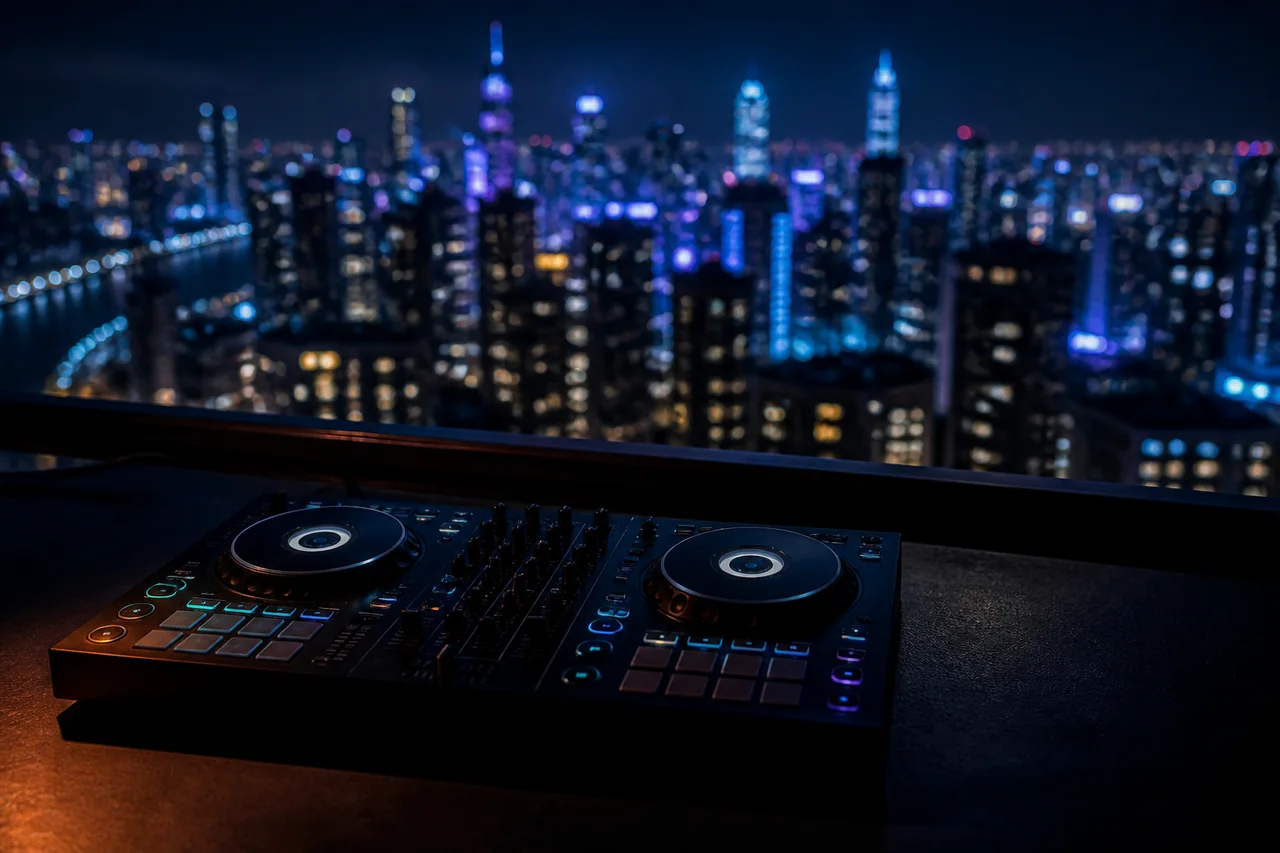
City Lights
View the complete prompt
Smooth deep house instrumental with a groovy bassline, warm pads, and crisp four-on-the-floor drums. 122 BPM, stylish and nocturnal, loop-friendly structure with filtered breakdowns, polished club production.
A practical MiniMax Music 3.0 vs SOUNDRAW decision
One winner for every creatorThe better fit for the brief
Prompt-led complete song
MiniMax Music 3.0
Specialist workflow
SOUNDRAW
The choice is expressive song prompting versus parameterized background-music fitting and post-generation customization. Choose MiniMax Music 3.0 when a detailed written brief or structured lyric is the center of the project and you want the system to interpret that direction across a complete arrangement. The model's published design emphasizes long-range coherence, instrument clarity, physical performance detail, pronunciation, breathing, vocal effects, and layered harmonies. Those are relevant advantages for songwriters and creators who want the first generation to express a coherent musical identity.
Choose SOUNDRAW when customizable background tracks and beats for videos, social content, or daw handoff Its documented strengths include You need background music for video and prefer choosing genre, mood, theme, duration, tempo, and instruments through explicit controls. You want to adjust intensity or instrument participation at bar level without using a separate DAW for every change. You require WAV or stem delivery and are prepared to verify the current SOUNDRAW plan and license for the project. Those are concrete reasons to select it even on a site that offers MiniMax generation. A trustworthy comparison should make the competitor's strongest case visible instead of burying it beneath generic disadvantages.
If the project is important, run a small workflow trial before standardizing. Use one vocal brief, one instrumental brief, and one real delivery constraint. Record the time spent preparing inputs, revising, exporting, and fixing the result; do not judge only the most impressive first clip. That process will reveal whether MiniMax's prompt-and-lyrics path or SOUNDRAW's you need instrumental background music that can be fitted to content with mood, genre, theme, length, tempo, instruments, intensity, and stem controls better matches the way you actually create.
After choosing the best fit for this project, browse the complete comparison library when another workflow needs a closer look.
Choose based on these questions
Need one prompt to carry the complete song?
MiniMax Music 3.0
You want one prompt to carry genre, mood, tempo, instrumentation, vocal tone, arrangement changes, and production character into a complete song.
Are structured lyrics and vocal direction central?
MiniMax Music 3.0
You already have lyrics, or want to work with verse, chorus, bridge, solo, and outro labels while keeping musical direction separate from sung words.
Need SOUNDRAW's specialist workflow?
SOUNDRAW
You need background music for video and prefer choosing genre, mood, theme, duration, tempo, and instruments through explicit controls.
Will the post-generation workflow decide the choice?
SOUNDRAW
You want to adjust intensity or instrument participation at bar level without using a separate DAW for every change.
What we did not test
- We did not conduct a controlled listening test, loudness-matched blind comparison, or repeated prompt benchmark, so this page does not rank audio quality, realism, speed, or prompt adherence.
- We did not verify every paid plan, regional restriction, credit rule, queue condition, download entitlement, or commercial-use scenario. Official pricing and terms should be checked immediately before purchase or publication.
- SOUNDRAW makes strong training and copyright-safety claims on its own site. We report them as provider claims and direct users to the current license instead of independently certifying them.
Method and official sources
This independent comparison is published by MiniMaxMusic3.net, a service built around MiniMax Music 3.0. That affiliation is why the page gives MiniMax a direct creation path, but it does not make every row a win for MiniMax. The practical question is which documented workflow fits the project in front of you.
We reviewed current official product pages, help centers, documentation, release notes, and terms pages. We did not run a controlled cross-platform listening test. Audio quality, prompt adherence, queue time, and generation speed can change with prompts, models, plans, traffic, and product updates, so this page does not convert those variables into scores.
Feature availability and licensing can change. Treat commercial-use summaries as navigation to the provider's current terms, not legal advice. Pricing is deliberately not used as the deciding factor because plans and credit systems change more quickly than the core creative workflow. Follow the linked official sources before committing a production budget or publishing a track.
A useful comparison starts with the intended output. Decide whether you need a complete vocal song, a controllable composition, an instrumental bed, reusable stems, an API, or a fast sketch. Then compare the required inputs, the editing path after generation, and the export or integration options. A product can be excellent for one of those jobs without being the best fit for the others.
- SOUNDRAWAI Music Generator
- SOUNDRAWAI Music Editor
- SOUNDRAWHow SOUNDRAW Generates Music
MiniMax Music 3.0 vs SOUNDRAW FAQ
Is MiniMax Music 3.0 better than SOUNDRAW?
Not for every workflow. MiniMax Music 3.0 is the clearer fit for detailed prompt-led complete songs and structured lyrics. SOUNDRAW is stronger when you need instrumental background music that can be fitted to content with mood, genre, theme, length, tempo, instruments, intensity, and stem controls. The better choice depends on the required input, editing path, deliverable, and integration rather than one universal quality claim.
What is the main difference between MiniMax Music 3.0 and SOUNDRAW?
MiniMax Music 3.0 interprets a natural-language song brief and optional lyrics, whereas SOUNDRAW's documented core generator is tag- and parameter-driven and continues into bar-level arrangement, mixer controls, stems, and creator-focused background music.
Which tool is better for vocals and lyrics?
MiniMax Music 3.0 officially supports optional lyrics, song-section tags, and detailed descriptions of vocal timbre, delivery, harmonies, and effects. SOUNDRAW advertises high-quality WAV and separate STEMS for eligible workflows, with licensing tied to its current plans and terms. If the project depends on vocals, compare the supported lyric workflow, language needs, editing requirements, and export path rather than assuming every AI music tool creates the same kind of song.
Which tool is better for production editing?
SOUNDRAW documents bar-level editing, mute and solo controls, intensity changes, song-structure customization, genre blending, and stem exports. MiniMaxMusic3.net is more focused on creating, reviewing, and regenerating from a prompt or structured lyrics. Choose according to whether you need a prompt iteration loop or post-generation controls such as section editing, stems, MIDI, exact-duration fitting, or DAW handoff.
Did this comparison test both products with identical prompts?
No. This is a documented-feature and workflow comparison based on official sources, not a controlled audio benchmark. Identical prompt text would also be an imperfect test because the products expose different inputs and controls. The page clearly separates sourced facts from editorial workflow recommendations.
Turn the comparison into a real music brief
Use a detailed prompt or structured lyrics in the MiniMax Music 3.0 generator, then evaluate the result against the workflow criteria on this page.
Create music with MiniMax Music 3.0